
Artisan Market Website Builder for Curated Storefronts, Creators, and Repeat Customers
An artisan market website should feel curated, not generic. It has to support small businesses, product storytelling, maker identity, and the practical storefront routes that help people actually shop. If you are evaluating an artisan market website builder, the right question is whether it can support a curated artisan market with categories, product detail, creators, rewards, and a stronger brand story than a standard ecommerce shell.
LuperIQ already has an artisan-market example family. The live artisan market example page points to a route set built around market home, shop, product detail, cart, creators, blog, and rewards. That gives the market much more room to feel like a real storefront for small businesses rather than a flat product grid with no identity.
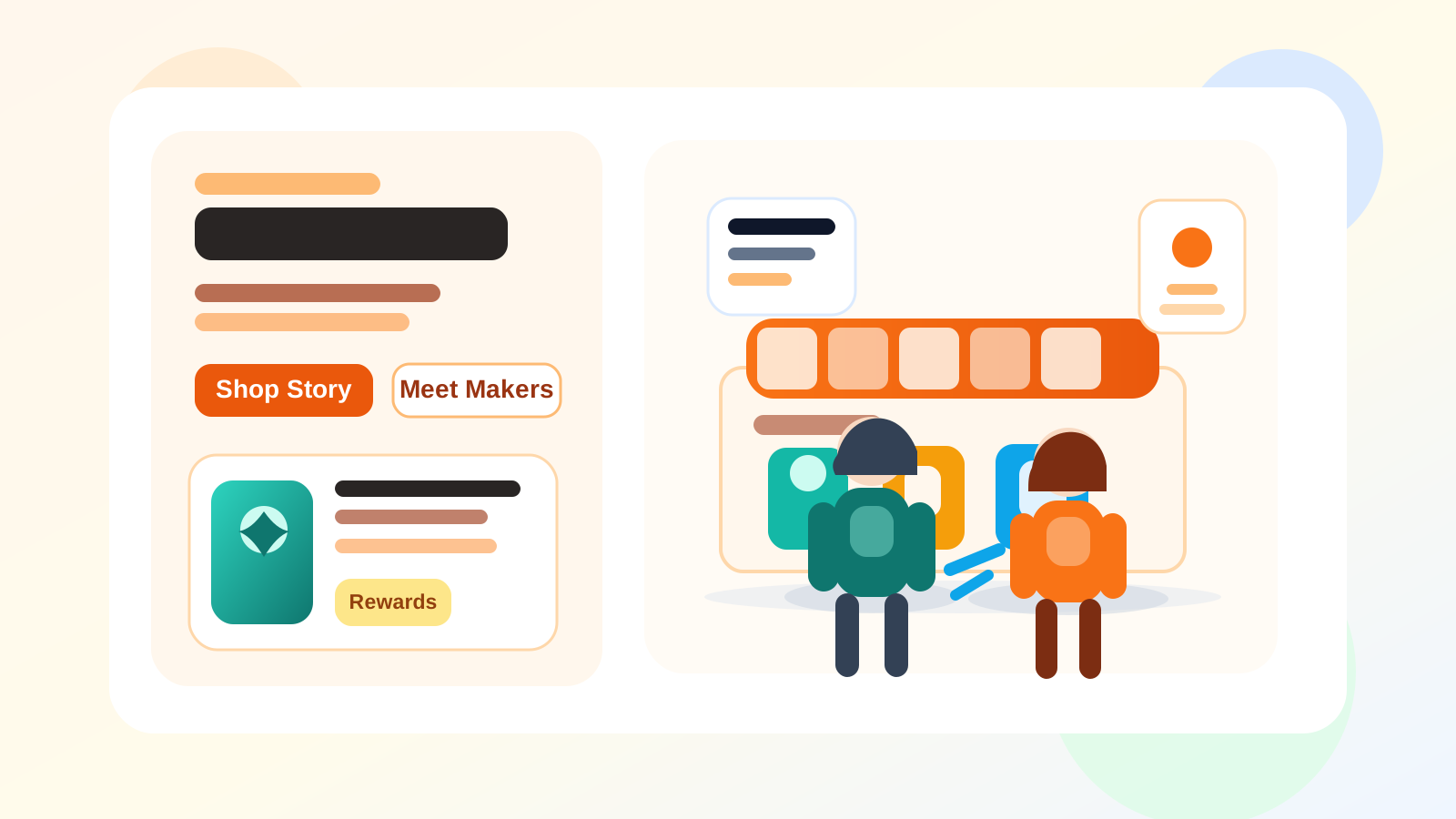
What an Artisan Market Website has to do before someone starts shopping
An artisan market website sells with curation and trust. The visitor needs to understand what kind of market this is, who the creators are, what kinds of products are available, and why it is worth returning. That means the site should do more than show market hours, a homepage banner, and a list of products. It should support deeper browsing and better storytelling.
This is especially true for a curated artisan market that wants to stand apart from a plain marketplace. The website should help the market feel intentional.
How an Artisan Market Website should organize product browsing, creators, and rewards
The live artisan-market example points toward a route family that fits this category much better than a generic catalog template.
- Market home for featured collections, seasonal highlights, and main calls to action.
- Shop route for category and product browsing.
- Product detail pages for real merchandising, ratings, and add-to-cart context.
- Cart path for storefront flow.
- Creators directory so the market can surface maker identity, not just products.
- Blog or story layer for editorial content and brand context.
- Rewards route for repeat-customer momentum.
That structure helps the artisan market feel like a real destination instead of a generic site with random product tiles. It also gives small businesses inside the market more visibility because the site has room for creators and stories, not just listings.
Why storytelling and repeat business matter on an Artisan Market Website
A strong artisan market website should help the visitor return, not just browse once. That is why rewards, blog content, and creator identity matter so much. They help the market build an audience around the storefront instead of treating every visit as a one-time transaction. The route family in the example page already leaves room for that kind of repeat-customer system.
This is also what makes the site more credible for markets that run seasonal pushes like spring market or summer market collections. The structure already has room for featured campaigns, product stories, and a better relationship with repeat buyers.
Why brand design matters on an Artisan Market Website
An artisan market needs a softer and more curated visual language than many standard storefronts. The site should feel handmade enough to match the products, but still organized enough that shopping is easy. Theme Studio matters because it gives the market brand more control over the visual system while keeping the route family intact underneath.
That makes it easier to support a more thoughtful storefront for small businesses without sacrificing usability.
What to compare next if you are evaluating an Artisan Market Website Builder
When you compare options, focus on whether the site can support:
- a curated artisan market instead of a generic store shell,
- creator identity and better product storytelling,
- rewards and repeat-customer flow,
- and a route family that can grow as the market expands.
The best current reference is the live artisan market example, followed by the related bakery, coffee, and restaurant examples, plus Theme Studio, SEO, and the growth guide hub.